The first trimester is often the most physically and emotionally complex stage of pregnancy. You’re adjusting to enormous hormonal shifts, possibly experiencing nausea and exhaustion, and navigating the strange experience of major internal changes with little visible evidence yet. Many women wonder whether it’s even safe to exercise during this delicate window—and if so, how their existing routine needs to change.
Is It Safe to Exercise in Early Pregnancy?
For most healthy pregnancies, continuing appropriate exercise during the first trimester is not only safe but beneficial. Movement supports circulation, helps manage the fatigue that’s so common in early pregnancy, and maintains the strength you’ll rely on as your pregnancy progresses.
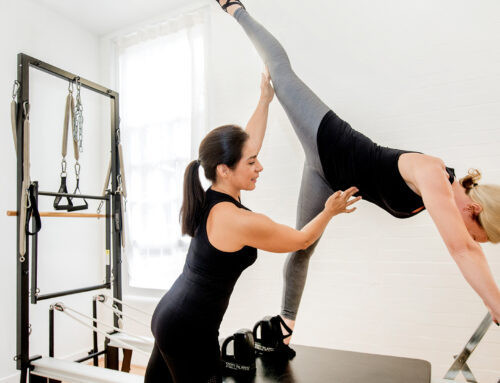
That said, this is a critical developmental period, and any exercise programme should be approached thoughtfully. If you’re new to exercise, this isn’t necessarily the time to start an intense new regime, but gentle, well-guided movement like Reformer Pilates is generally well tolerated and beneficial.
Working With (Not Against) Nausea and Fatigue
First trimester fatigue is profound—not the kind of tiredness solved by an early night, but a bone-deep exhaustion that can make even simple tasks feel overwhelming. Add nausea to the mix, and the idea of exercising can feel completely unappealing.
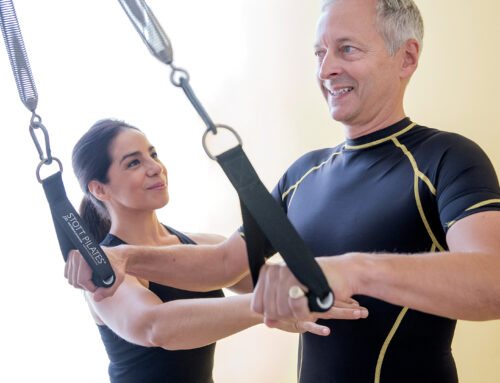
At InnerCore, we never push clients through symptoms. Your session is adapted to how you’re feeling that particular day. Some days might involve gentler, more restorative movement focused on breath and circulation. Other days, if you’re feeling better, we can work with slightly more intensity. This flexibility is one of the significant advantages of private 1to1 sessions over fixed group classes.
What Changes in Your First Trimester Programme
While many exercises from your pre-pregnancy routine can continue, certain modifications become important. We avoid deep abdominal exercises that create excessive intra-abdominal pressure, monitor positions that might cause dizziness given changes in your circulatory system, and pay close attention to body temperature, ensuring you don’t overheat during exercise.
We also begin introducing concepts you’ll rely on throughout pregnancy: gentle pelvic floor awareness, breathing patterns that support your changing body, and postural cues that will become increasingly relevant as your bump grows.
The Emotional Value of Continuity
Beyond the physical benefits, many women find significant emotional value in maintaining their Pilates practice during the first trimester. This is often a private time—many women haven’t shared their pregnancy news widely yet—and having a consistent, supportive space to process the physical and emotional changes can be invaluable.
Your sessions remain entirely confidential, and your instructor can provide a knowledgeable, reassuring presence during a time that often comes with uncertainty and questions.
Building Habits for the Months Ahead
The first trimester is an excellent time to start establishing the breath work, body awareness, and gentle core engagement patterns that will become increasingly important as your pregnancy progresses. Rather than waiting until your bump is more pronounced, beginning this work early means you’re building a strong foundation before the physical demands of later pregnancy arrive.
When to Pause or Seek Guidance
Every pregnancy is different, and certain symptoms warrant caution or medical consultation before continuing exercise: bleeding, severe cramping, dizziness, or any concerning symptoms should always be discussed with your healthcare provider first.
At InnerCore, we maintain close communication with our pregnant clients about how they’re feeling, and we always err on the side of caution. Your wellbeing and your baby’s wellbeing come first, always.
Continuing Your Practice at InnerCore
Whether you’re newly pregnant and eager to stay active, or feeling too exhausted and nauseous to know where to start, our instructors in Chelsea can meet you exactly where you are. We offer in-studio, at-home, and Zoom sessions, providing flexibility during a trimester when getting out of the house can sometimes feel like the hardest part. Reach out to discuss how we can support you through these crucial early weeks.