If you’re lying awake at 2 AM, mind racing despite exhaustion, you’re far from alone. Sleep disturbances have become epidemic, with stress, screen time, and sedentary lifestyles all contributing to the problem. While many people try supplements, meditation apps, or sleep hygiene protocols, they often overlook one of the most effective interventions: how and when you move your body during the day.
Pilates offers a unique approach to improving sleep quality—not through exhaustion, but through nervous system regulation, physical tension release, and mind-body connection that prepares you for genuine rest.
The Sleep-Movement Connection
Your body’s sleep-wake cycle (circadian rhythm) is influenced by multiple factors, and physical activity is one of the most significant. However, not all movement affects sleep equally. High-intensity exercise close to bedtime can actually interfere with sleep by elevating cortisol and core body temperature. Insufficient movement throughout the day leaves residual physical tension and mental energy that prevent deep rest.
Pilates occupies a sweet spot: challenging enough to create physical fatigue and stress release, but calm enough to settle your nervous system rather than amping it up.
Nervous System Regulation Through Breath
The foundation of Pilates practice at InnerCore is breath work—not as an afterthought, but as the central organizing principle of every movement. This focused breathing directly influences your autonomic nervous system, the control centre for your stress response and relaxation.
When you practice controlled, diaphragmatic breathing coordinated with movement, you’re training your nervous system to shift from sympathetic (fight-or-flight) to parasympathetic (rest-and-digest) activation. This isn’t just useful during your session—it’s a skill that carries into your evening hours, helping your body transition toward sleep more effectively.
Many clients in our Chelsea studio report that the breathing patterns they learn in Pilates become tools they use when lying in bed unable to sleep. The familiarity of the breath rhythm triggers the relaxation response they’ve trained during sessions.
Physical Tension Release
Throughout your day, stress accumulates as physical tension—shoulders creeping toward ears, jaw clenching, abdominal muscles holding tight. This chronic muscular tension creates a baseline of physical discomfort that your body carries into bed. You might not consciously recognise the tension, but it prevents your body from fully relaxing into deep sleep.
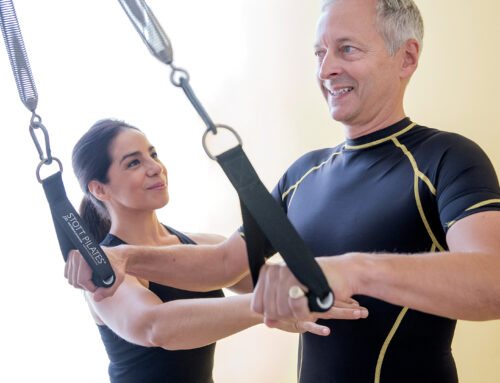
Pilates addresses this through movement that requires you to release unnecessary tension. The precise cueing from your instructor helps you notice where you’re gripping or holding, and the exercises themselves create opportunities to lengthen and release chronically tight areas. By bedtime, your body has genuinely released tension rather than just continuing to accumulate it.
The Mind-Body Presence Factor
One of the primary culprits in poor sleep is mental rumination—your mind spinning through tomorrow’s tasks, replaying today’s conversations, or generally refusing to quiet. This mental chatter often persists because you haven’t truly been present in your body all day. Your mind has been active, but disconnected from physical sensation.
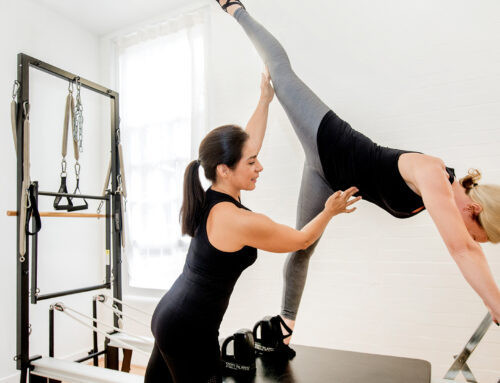
Pilates demands presence. You cannot think about your presentation tomorrow while maintaining pelvic stability during leg circles. The concentration required for precise movement forces your mind to be here, now, in your body. This practice of presence becomes a skill that improves with repetition.
Clients often describe their Pilates sessions as the only time during their week when their mind fully quiets. This mental break has a residual effect—having experienced genuine mental quiet during your session, your mind finds it easier to access that state when you need it for sleep.
Optimal Timing for Better Sleep
When you schedule your Pilates practice influences how it affects your sleep. Morning sessions (we open at 7:00 AM) can help regulate your circadian rhythm and create a foundation of physical activity that supports better sleep that night. Late afternoon or early evening sessions (before 7:00 PM) allow enough time for your body temperature to normalize before bed while still providing stress relief from your day.
We generally don’t recommend intense physical practice immediately before bed, though gentle breathwork and stretching from your Pilates repertoire can be part of a beneficial evening routine.
Breaking the Stress-Sleep Cycle
Many professionals in London experience a vicious cycle: stress and busy schedules disrupt sleep, poor sleep reduces stress resilience and increases muscle tension, increased tension and reduced resilience lead to more stress, and more stress further disrupts sleep.
Pilates interrupts this cycle at multiple points. The physical practice releases tension, the breathing regulates your stress response, the mental presence provides a break from rumination, and the resulting improvements in sleep enhance your overall resilience.
The Chronic Pain Connection
For many people, poor sleep is directly related to physical discomfort. Back pain, shoulder tension, or general body discomfort makes finding a comfortable sleeping position difficult and causes frequent waking throughout the night. The postural improvements and pain reduction that come from regular Pilates practice directly address these sleep disturbances.
Clients dealing with chronic discomfort often report that sleep improvement is one of the first benefits they notice—sometimes before they notice the pain reduction itself during waking hours.
Creating Your Practice
If sleep improvement is your primary goal, consistency matters more than intensity. One session per week at the same day and time helps regulate your body’s rhythms. The private nature of sessions at InnerCore allows us to incorporate specific breathwork and tension-release focus if sleep is your priority.
Some clients find that their Pilates practice provides such mental and physical relief that they actually look forward to sessions as a form of self-care—something that supports better sleep simply because it reduces the background stress they’ve been carrying.
Your Rest Begins With Movement
At InnerCore, we understand that fitness isn’t just about how you look or how much weight you can lift—it’s about quality of life. If poor sleep is compromising your days, addressing it through intelligent movement might be exactly what you need. Your first session is free, providing an opportunity to experience how mind-body practice can transform not just your waking hours, but your rest as well.