Pelvic health isn’t a topic most people think about—until they have a problem. Incontinence, prolapse, sexual dysfunction, and chronic pelvic pain are far more common than most realise, affecting people of all genders and ages. Yet these issues remain shrouded in embarrassment and misunderstanding, leaving many people suffering in silence rather than seeking help.
Pilates, particularly when taught by instructors with proper training in pelvic health, offers one of the most effective approaches to both preventing and addressing pelvic floor dysfunction.
Understanding Your Pelvic Floor
Your pelvic floor is a hammock of muscles spanning the bottom of your pelvis, supporting your bladder, bowel, and (in women) uterus. These muscles have multiple jobs: supporting pelvic organs against gravity and intra-abdominal pressure, maintaining continence, contributing to sexual function, and working as part of your deep core stabilisation system.
When functioning properly, your pelvic floor contracts and relaxes reflexively during different activities. It activates automatically when you cough, jump, or lift. It relaxes when you need to empty your bladder or bowels. This coordination is essential for proper function.
When Things Go Wrong
Pelvic floor dysfunction can manifest in several ways, including stress incontinence (leaking with coughing, sneezing, jumping), urgency and frequency issues, pelvic organ prolapse and chronic pelvic pain. These problems aren’t rare—approximately one in three women experience some form of pelvic floor dysfunction, and while less studied, men also experience these issues, particularly after prostate surgery or with chronic constipation.
The Contributing Factors
Multiple factors can weaken or dysregulate your pelvic floor: pregnancy and childbirth (even caesarean births affect pelvic floor function), chronic coughing or constipation creating excessive downward pressure, high-impact exercise without adequate support, chronic poor posture affecting pelvic alignment, and simply ageing and hormonal changes.
Importantly, pelvic floor problems can involve muscles that are too tight and unable to relax, not just muscles that are weak. This is why generic “Kegel” exercises aren’t always appropriate and can sometimes worsen problems.
The Pilates Approach to Pelvic Health
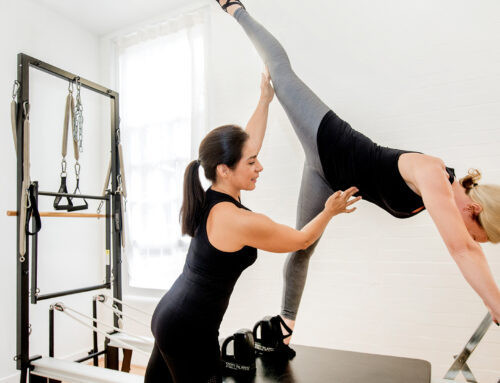
At InnerCore, our approach to pelvic health is comprehensive and individualised. We don’t simply add pelvic floor squeezes to exercises—we integrate pelvic floor function into whole-body movement patterns. Every reformer session includes awareness of pelvic floor activation as part of core engagement, coordination of breath with pelvic floor movement, and exercises that support proper pelvic alignment.
For clients with specific pelvic health concerns, we can design programmes that specifically address their issues, working in coordination with pelvic health physiotherapists when appropriate.
Breathing and Pelvic Floor Connection
Your diaphragm and pelvic floor work together as a pressure system. When you inhale, your diaphragm moves down, and your pelvic floor gently releases. When you exhale, your diaphragm rises, and your pelvic floor naturally lifts. This coordinated movement is essential for proper function.
Many people breathe incorrectly—holding their pelvic floor tight, breathing shallowly into their chest, or bearing down when they should be lifting. The breath training that’s fundamental to Pilates practice restores this natural coordination between diaphragm and pelvic floor.
Posture’s Role in Pelvic Health
Your pelvic floor doesn’t exist in isolation—its function is directly influenced by your posture and spinal alignment. When you’re chronically slumped forward, your pelvic floor is in a disadvantaged position. When you have excessive lower back arch, the angle of your pelvis changes how your pelvic floor muscles can engage.
The postural corrections that occur through regular Pilates practice directly support better pelvic floor function. You’re not just doing targeted exercises—you’re creating an environment where your pelvic floor can work optimally.
Beyond Kegels
While pelvic floor contractions (Kegels) can be useful, they’re often performed incorrectly and without the functional context that makes them truly beneficial. Many people squeeze too hard, hold their breath, or fail to fully release between contractions. The Pilates approach integrates pelvic floor work into movement patterns, trains both activation and relaxation, coordinates pelvic floor with breath and core muscles, and progresses from simple to complex challenges.
This functional approach means you’re not just strengthening muscles in isolation—you’re training your pelvic floor to work properly during actual activities.
For Pre and Postnatal Women
Pelvic health is particularly relevant for women during and after pregnancy. The weight of pregnancy affects pelvic floor muscles, hormonal changes increase tissue laxity, and birth (vaginal or caesarean) impacts these structures. Proper pelvic floor rehabilitation postnatally is essential but often neglected.
At our Chelsea studio, instructor Maria has personal experience using Pilates through both her pregnancies and postnatal recoveries. This lived experience, combined with professional training, informs how she works with prenatal and postnatal clients. The focus on pelvic floor awareness and function is integrated throughout the programme, not treated as a separate concern.
For Men
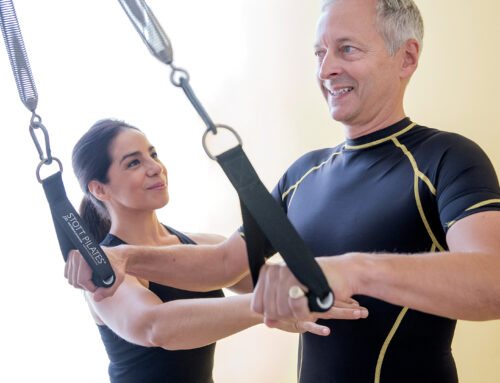
While pelvic floor health is often framed as a women’s issue, men also benefit from this work. Male clients recovering from prostate surgery, dealing with urinary issues, or experiencing pelvic pain can all benefit from targeted pelvic floor rehabilitation. The private nature of our 1to1 sessions allows for comfortable discussion of these often-awkward topics.
When to Seek Specialist Help
While Pilates is excellent for pelvic health support, some conditions require specialist pelvic health physiotherapy. Severe prolapse, significant incontinence impacting daily life, chronic pelvic pain, and immediate postnatal concerns should all be assessed by a pelvic health specialist. We work collaboratively with these professionals, implementing their recommendations within your Pilates programme.
Breaking the Silence
Pelvic floor problems are common, but they’re not normal and not something you should just accept. If you’re in London and dealing with any pelvic health concerns—or simply want to prevent problems before they start—Pilates offers evidence-based support in a comfortable, private setting. Your first session at InnerCore is free, and all conversations remain confidential. Your pelvic health matters, and addressing it proactively protects your quality of life for decades to come.