Depression changes your relationship with your body. It can leave you feeling disconnected from yourself, heavy and unmotivated, locked in a cycle where the very things that would help, movement, social connection, routine, feel impossibly out of reach. The idea of starting any kind of exercise can seem laughable when getting out of bed feels like an achievement.
At InnerCore, we meet clients exactly where they are. This post is for anyone who has wondered whether Pilates might help with depression, and the honest answer is that, for many people, it can be part of a meaningful path forward.
What the Research Shows
The evidence base for exercise as a meaningful intervention in depression is substantial and growing. Multiple large-scale studies have demonstrated that regular physical activity can reduce depressive symptoms, in some cases comparably to antidepressant medication for mild to moderate depression, and as a valuable complement to medication and therapy for more severe presentations.
The mechanisms are several: exercise increases the production of brain derived neurotrophic factor (BDNF), which supports neuroplasticity and has been called “Miracle Gro for the brain.” It also increases the availability of serotonin, dopamine, and norepinephrine, the same neurotransmitters targeted by most antidepressants. Additionally, completing a movement session, however small, creates a genuine sense of accomplishment that can chip away at the self-criticism depression so often amplifies.
Why Pilates Specifically
The challenge with depression and exercise is that high intensity workouts can feel completely inaccessible, and the gap between where you are and where a typical gym session requires you to be can feel overwhelming and discouraging.
Pilates offers a more accessible on ramp. The movements are controlled rather than explosive, the breath centred approach is naturally calming, and the private 1to1 format means there’s no performance standard to meet. You can work at whatever level your body is capable of today, and that’s enough.
Rebuilding the Mind Body Connection
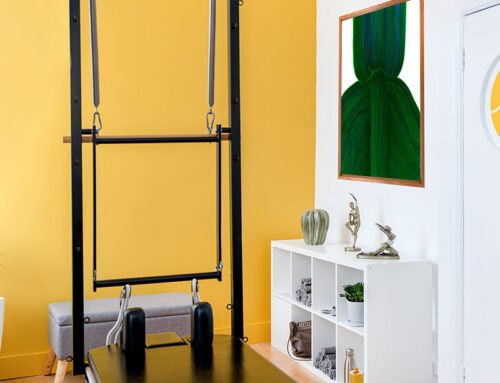
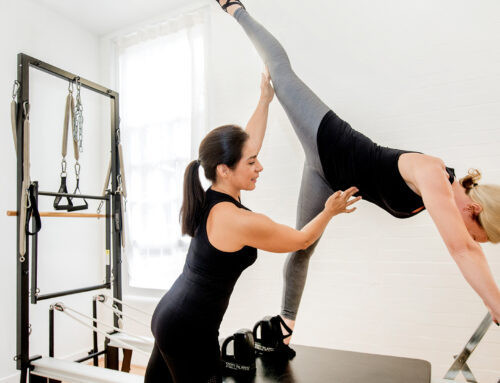
Depression often involves a profound disconnection from your physical self, a sense of inhabiting your body from a distance, without really feeling present in it. Pilates specifically addresses this disconnection. The precise physical sensations of movement, the tactile feedback from the reformer, and the careful attention your instructor pays to your body creates opportunities to reconnect with your physical experience in a gentle, non-demanding way.
The Routine Factor
One of the practical challenges of depression is the disruption it causes to routine. Losing daily structure can deepen depressive episodes, creating an absence of anchor points in the week. A regular Pilates appointment, a fixed time, a familiar space, a known relationship with your instructor, provides exactly the kind of consistent structure that supports recovery.
Compassionate, Non-Judgmental Support
At InnerCore, our instructors understand that some clients come to sessions carrying significant emotional weight alongside their physical goals. There’s no pressure to perform, achieve, or present a version of yourself you’re not feeling. Sessions can be adapted to your emotional as well as physical state on any given day.
We want to gently encourage anyone using exercise as part of their depression management to also maintain their relationship with a GP or mental health professional. Pilates is a powerful complement, not a replacement, for appropriate clinical support.
If you’re in the South East and wondering whether your body and mind might both benefit from a different kind of movement, your first session at InnerCore is free, and you’ll be met with complete compassion. That’s a promise.