A caesarean birth, whether planned or unexpected, is major abdominal surgery combined with the physical demands of becoming a new parent. Recovery requires patience, and the path back to exercise looks different than after a vaginal birth. Many women receive minimal guidance about this specific recovery journey, leading to confusion, anxiety, or—just as concerning—rushing back into activity before their body is ready.
Understanding What Happened to Your Body
During a caesarean, several layers of tissue are cut through, including skin, fascia, and abdominal muscle, before reaching your uterus. This creates scar tissue that affects multiple layers, not just the visible incision. Your core muscles, particularly your deep abdominals, have been directly affected, and the surrounding fascia needs time and appropriate movement to heal well.
This is fundamentally different from the recovery needed after a vaginal birth, even though both ultimately require attention to your pelvic floor and core. Caesarean recovery needs its own specific, careful approach.
Why Timing Matters
Most guidance suggests waiting at least 8-12 weeks before beginning structured exercise after a caesarean, though this varies based on your individual healing and clearance from your healthcare provider. Even after this initial period, certain movements need to be approached cautiously, particularly those that directly load or stretch your scar tissue.
At InnerCore, we always require medical clearance before beginning postnatal sessions following a caesarean, and we maintain ongoing communication about how your scar feels and how your body is responding to movement.
Scar Tissue Mobility
One often-overlooked aspect of caesarean recovery is scar tissue mobility. As your incision heals, the tissue can become tight, restricted, or adhered to underlying structures. This can contribute to ongoing discomfort, altered movement patterns, and even affect your core function long after the visible wound has healed.
While scar massage and specific therapeutic techniques are typically the domain of a women’s health physiotherapist, the gentle, mindful movement we incorporate into early postnatal Pilates sessions can complement this work, encouraging healthy circulation and movement around the scarred area once you’ve been cleared to do so.
Rebuilding Core Connection
Many women who’ve had a caesarean describe feeling disconnected from their abdominal area—as though the muscles simply aren’t responding the way they used to. This is a common and valid experience, often related to both the physical disruption of surgery and the nerve pathways that were affected.
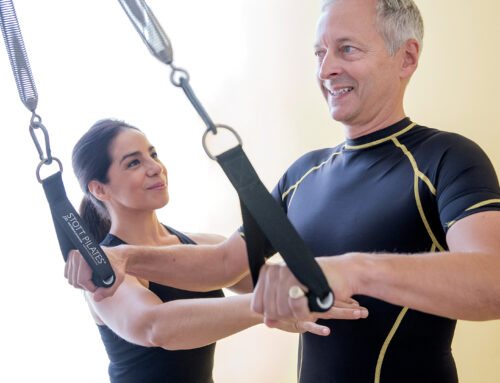
Our approach begins with very gentle reconnection exercises: simple breathing patterns, light pelvic floor awareness work, and movements that help you re-establish the mind-muscle connection in your core before any loading or strengthening begins.
Progressing at the Right Pace
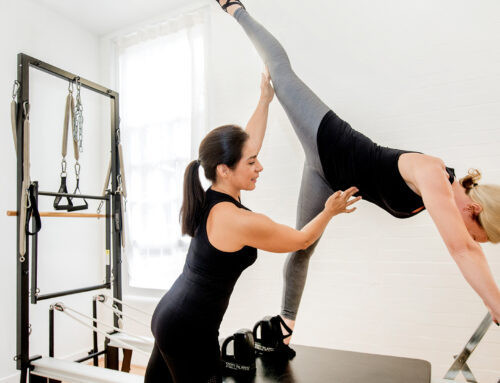
Once cleared and ready to progress, we build gradually: starting with supported, gentle core activation, slowly introducing more challenging positions on the reformer, and carefully monitoring for any doming, bulging, or discomfort around your scar as exercises become more demanding.
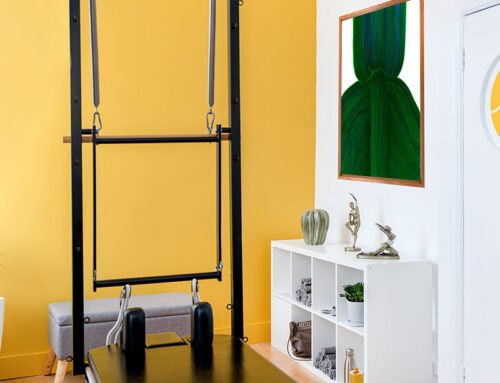
The reformer’s support is particularly valuable during this phase, allowing you to work effectively without placing excessive strain on healing tissue.
Addressing the Emotional Side
For some women, a caesarean birth—particularly an unplanned one—comes with complex emotions: disappointment, a sense of having “missed out,” or feelings about their body that need processing alongside the physical recovery. We approach every postnatal client with sensitivity to this emotional dimension, never assuming what your birth experience meant to you.
Your Caesarean Recovery at InnerCore
Whether your caesarean was weeks or years ago, it’s never too late to properly address core and scar tissue function. At our Chelsea studio, we work with women at all stages of caesarean recovery, designing programmes that respect your healing timeline while helping you rebuild genuine strength and confidence in your body. Get in touch to discuss your specific recovery and how we can support you.