Every dancer knows the feeling: a nagging twinge in the ankle that you dance through, a hip that clicks during certain movements, lower back tightness that’s “just part of the job.” These small warning signs are often dismissed in dance culture, where pushing through discomfort is sometimes seen as part of the dedication required. But understanding the most common dance injuries—and the early signs that precede them—can help you protect your career and your body long term.
Why Dancers Are Particularly Vulnerable
Dance demands a unique combination of extreme flexibility, repetitive movement patterns, and often asymmetrical technical requirements. Unlike many sports where movement is relatively varied, dance technique often requires the same movements repeated thousands of times, frequently at the extremes of your joint range. This combination creates predictable injury patterns that experienced dance medicine professionals have studied extensively.
Ankle and Foot Injuries
The ankle and foot bear enormous repetitive stress in dance, particularly with relevé, pointe work, and jumping. Common issues include ankle impingement (pinching at the front or back of the ankle joint), stress fractures in the metatarsals, and chronic ankle instability from repeated minor sprains that never fully heal.
Early warning signs often include a pinching sensation at certain ranges of plantarflexion or dorsiflexion, persistent swelling after class, or a feeling that your ankle “gives way” unexpectedly. Addressing strength and control around the ankle, rather than just flexibility, is essential for prevention.
Hip Impingement and Labral Issues
The extreme ranges of hip flexion, rotation, and abduction required for dance can lead to femoroacetabular impingement (FAI) or labral tears over time. Dancers often describe a deep, pinching pain in the front of the hip, particularly during high extensions or deep turnout positions.
This injury frequently develops gradually, with dancers compensating by forcing turnout from the knee or ankle rather than the hip itself—a pattern that creates its own cascade of problems further down the leg.
Lower Back Pain from Hyperextension
Many dance aesthetics favour an exaggerated lumbar curve to achieve particular lines, particularly in styles emphasising extension and arabesque lines. Without adequate deep core support, this repeated hyperextension places significant stress on the lower spine, sometimes leading to stress reactions in the vertebrae or chronic muscular pain.
The solution isn’t necessarily avoiding these lines, but building the deep core stability to support your spine while achieving them—rather than relying purely on flexibility and compensatory arching.
Snapping Hip Syndrome
This common but often misunderstood condition occurs when a tendon catches and releases over a bony prominence in the hip, creating an audible (and sometimes painful) snapping sensation. While not always serious, it can become a chronic irritation that affects technique and confidence if left unaddressed.
Addressing the muscular imbalances that contribute to this snapping—often involving hip flexor tightness and weak gluteal control—can significantly reduce its frequency and discomfort.
The Role of Cross-Training in Prevention
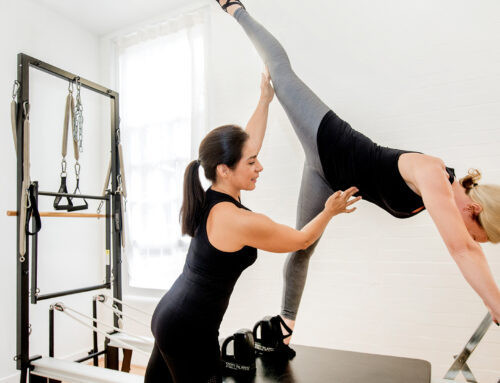
Dance technique class alone often cannot address the specific strength and stability deficits that lead to these injuries. This is where supplementary training, like Reformer Pilates, becomes valuable—not as a replacement for dance training, but as a way to build the structural support that pure technique work doesn’t provide.
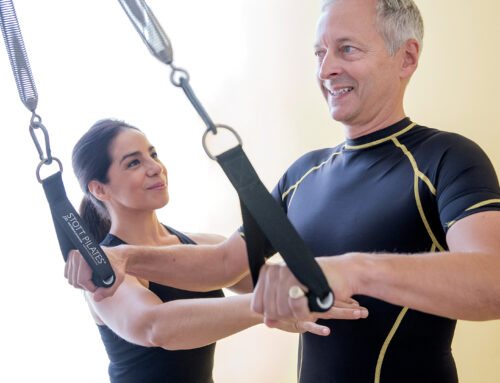
At InnerCore, our private 1to1 sessions allow us to assess your specific patterns, identify which of these common injury risks apply to you, and design a programme that addresses your individual vulnerabilities before they become injuries.
Listening to Early Warning Signs
The dance culture of “pushing through” can make it difficult to know when a sensation warrants attention versus when it’s simply part of training hard. As a general guide, pain that changes your technique, persists beyond 48 hours, or worsens with continued activity deserves proper assessment rather than continued dismissal.
Protecting Your Dancing Long-Term
If you’re a dancer in London experiencing any of these warning signs, or simply want to proactively protect against these common injuries, we invite you to experience how targeted Pilates work can support your training. Your first session at InnerCore is free, providing an opportunity to discuss your specific technical demands and begin building the resilience that allows you to dance sustainably for years to come.