Everyone wants a strong core. But what does that actually mean? For many people, core strength has become synonymous with six-pack abs and endless crunches. At InnerCore, we take a fundamentally different approach—one that’s more effective, more sustainable, and rooted in how your body actually functions.
What Your Core Really Is
Your core isn’t just your abdominal muscles. It’s a complex system of muscles that stabilise your spine, pelvis, and rib cage. This includes your deep transverse abdominis, your pelvic floor muscles, your multifidus along your spine, your diaphragm, and yes, your rectus abdominis (the “six-pack” muscles).
These muscles work together as a team. When functioning properly, they create a stable base from which your arms and legs can move efficiently. They protect your spine during daily activities and absorb forces that could otherwise cause injury. They even support your internal organs and play a role in breathing.
Traditional ab exercises often only target the superficial muscles—the ones you can see. But true core strength comes from training the deeper layers, the muscles you can’t see but can definitely feel when they’re working properly.
Why Crunches Won’t Cut It
Crunches and sit-ups train your core to flex forward. That’s one movement pattern, and while it has its place, it’s not functional for most of what your core needs to do in real life. How often do you actually need to curl your spine forward against resistance? Not often.
What you do need is a core that can stabilise your spine while your limbs are moving, maintain proper alignment during complex movements, support your breathing, and adapt to unexpected forces and positions.
This is where Pilates becomes invaluable. The STOTT PILATES® Reformer methodology we use at our Chelsea studio trains your core the way it’s meant to function—as a stabiliser and supporter, not just a flexor.
How Reformer Pilates Builds Real Core Strength
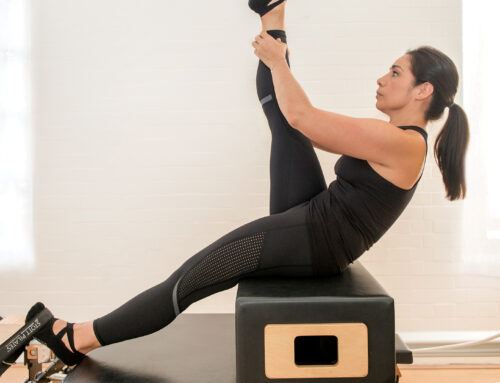
Every single exercise on the reformer requires core engagement. The moving carriage creates an unstable surface that your body must stabilise against. The springs provide resistance that your core must control. And the three-dimensional nature of the exercises means you’re training your core in all planes of movement, not just forward flexion.
In a typical session, you’ll work your core while lying down, sitting, kneeling, standing, and in various rotational positions. You’ll learn to maintain a stable centre while your arms and legs are moving in different directions. You’ll train your core to work without holding your breath or gripping your shoulders—patterns many people unconsciously rely on.
The reformer also allows for progressive overload in a way that’s difficult to achieve with bodyweight core exercises. As you get stronger, we can increase spring resistance, change your body position, or add complexity to the movement—ensuring you’re always challenged appropriately.
The Connection You Can Feel
One of the most common revelations our clients experience is actually feeling their core engage properly for the first time. Many people have been doing core exercises for years without really connecting to those deep stabilising muscles.
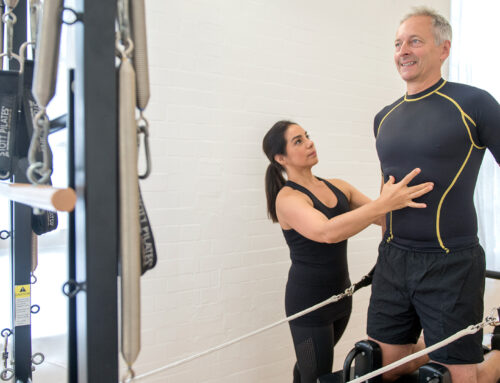
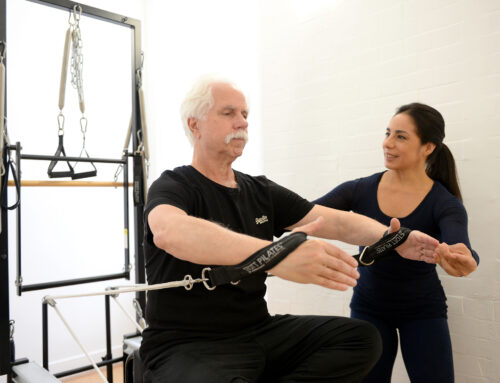
In a 1to1 session, your instructor can help you find that connection through breath cues, hands-on guidance, and visual feedback from the moving reformer. Once you understand what it feels like to properly engage your transverse abdominis or pelvic floor, that awareness carries over into all your other movements.
This mind-body connection is at the heart of what makes Pilates transformative. You’re not mindlessly crunching through repetitions—you’re developing sophisticated neuromuscular control that changes how you move in everything you do.
Beyond Aesthetics
Will Pilates give you visible abs? If you’re lean enough, quite possibly. But more importantly, it will give you functional core strength that improves your posture, reduces back pain risk, enhances athletic performance, supports pelvic health, and improves balance and coordination.
These benefits have a far greater impact on your quality of life than what your midsection looks like. The confidence that comes from moving well, feeling stable and strong in your body, and being free from pain is worth far more than aesthetic changes alone.
Starting Your Core Journey
If you’re in London and ready to discover what real core strength feels like, we invite you to experience our approach. At InnerCore, building strength from the inside out isn’t just our name—it’s our philosophy.
Your first session includes a postural analysis and an introduction to how your core should function. From there, we design a tailored programme that addresses your specific needs, whether you’re recovering from injury, training for sport, or simply want to move through life with more ease and less pain.
True core strength isn’t built in a day, but with consistent practice and expert guidance, the results you can see—and more importantly, feel—will transform how you move through the world.