The postnatal period is often called the “fourth trimester”—a recognition that the transition doesn’t end with birth. Your body has been through something remarkable, and it needs time, care, and appropriate rehabilitation to recover fully.
Yet many women receive minimal guidance about postnatal recovery. You’re told to wait six weeks and then cleared to “resume normal activity”—as if your body simply returns to its pre-pregnancy state. The reality is far more complex, and the rehabilitation you do (or don’t do) during this period affects your health for decades to come.
What Actually Happened to Your Body
During pregnancy and birth, your body underwent significant changes. Your abdominal muscles stretched and often separated (diastasis recti), your pelvic floor muscles were stretched and possibly torn, your posture adapted to carrying weight in front, hormones loosened your ligaments and joints, and your core lost the coordination it had before.
These changes don’t reverse simply by waiting. Your abdominal separation won’t close on its own if you’re not engaging the right muscles correctly. Your pelvic floor won’t regain strength and coordination without targeted rehabilitation. And your body will compensate for weakness in ways that create long-term problems if not addressed.
The Consequences of Skipping Proper Recovery
Many women rush back to high-intensity exercise, thinking that working hard will fix everything. Without proper foundation work first, this can lead to persistent diastasis recti that never fully heals, pelvic organ prolapse, urinary (or faecal) incontinence, chronic back pain from poor core function, and pelvic floor dysfunction that affects intimacy and quality of life.
These aren’t rare complications—they’re common consequences of not rehabilitating the deep core and pelvic floor properly. The good news is that with appropriate guidance, they’re largely preventable.
The Pilates Approach to Postnatal Recovery
At InnerCore, our postnatal programmes truly work from the inside out. We begin with the deepest layers—your pelvic floor and transverse abdominis—and progressively rebuild from there.
This isn’t glamorous work. It’s subtle, internal, and requires significant body awareness. But it’s absolutely essential. Only once you’ve reestablished this foundational connection do we progress to more complex movements.
Phase One: Reconnection (Weeks 0-6)
Even before your six-week check-up, there’s gentle work you can begin. Simple pelvic floor awareness exercises, diaphragmatic breathing to restore proper breathing patterns, and gentle posture awareness while feeding and holding your baby are all safe and beneficial.
We can work with you via Zoom during this early phase if you’re not ready to leave home. The focus is entirely on reconnection—simply finding these muscles again and beginning to re-establish the brain-body communication that pregnancy and birth disrupted.
Phase Two: Foundation Building (Weeks 6-12)
Once you’ve been cleared by your healthcare provider (typically around six weeks for vaginal births, 8-12 weeks for caesarean births), we can begin more structured rehabilitation.
This phase focuses on progressively strengthening your pelvic floor with proper technique, addressing any diastasis recti with safe, effective exercises, rebuilding deep core stability, correcting postural adaptations from pregnancy and baby-carrying, and improving overall body awareness and movement quality.
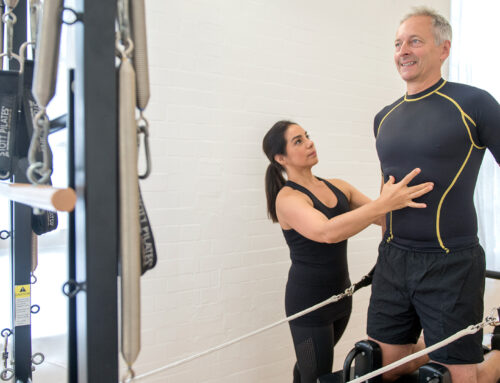
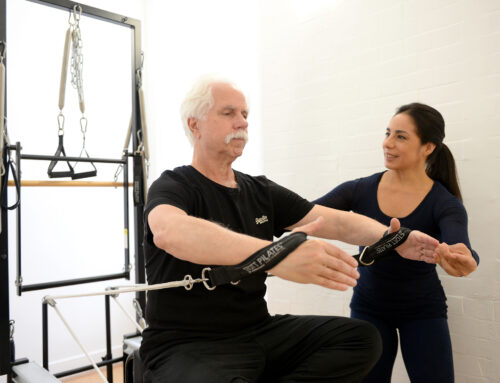
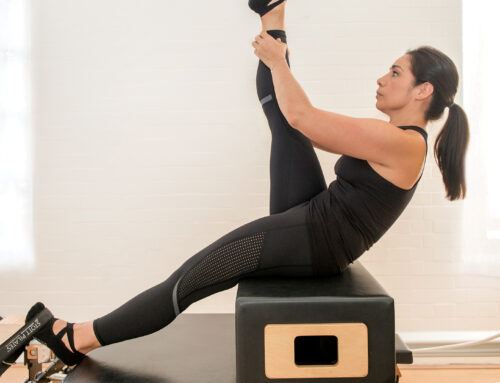
The reformer is particularly valuable during this phase because it provides support and feedback that’s difficult to achieve with floor exercises alone. You can work your core and pelvic floor while the machine supports you, making proper technique more accessible.
Phase Three: Building Strength and Function (Months 3+)
As your foundation strengthens, we progressively increase complexity and load. You’ll work through more challenging movement patterns, add resistance and complexity to exercises, and begin incorporating movements that reflect the demands of your daily life—lifting, carrying, bending, twisting.
The goal isn’t just to “get your body back” (we reject this framing—your body has been here all along, doing something extraordinary). The goal is to build a body that feels strong, capable, and truly yours again.
The Reality of Postnatal Bodies
Let’s be honest about something: your body may not look exactly as it did before pregnancy. Your abdominal wall may have a slightly different quality. Your rib cage may have expanded. Your feet may have permanently changed size.
These changes aren’t failures—they’re evidence of what your body accomplished. The work we do in Pilates isn’t about erasing signs of motherhood; it’s about ensuring your body functions optimally, feels strong, and serves you well for decades to come.
Many of our clients report feeling stronger and more capable after postnatal recovery than they did before pregnancy—not despite the changes their body went through, but because they took the time to properly rehabilitate and build real, functional strength.
Diastasis Recti: What You Need to Know
Diastasis recti—the separation of your abdominal muscles—is extremely common postnatally. Some separation is normal during pregnancy, but it should begin to improve after birth with appropriate rehabilitation.
Not all core exercises are safe or helpful for diastasis. Traditional crunches and sit-ups can actually worsen the separation. The deep core work we do in Pilates, when done correctly, helps bring those muscles back together and restore proper function.
In your 1to1 sessions, your instructor can assess your diastasis and design exercises that support healing. We never do generic programmes—everything is tailored to your specific recovery.
Your Mental Health Matters Too
The postnatal period is physically demanding, but it’s also emotionally and mentally intense. Sleep deprivation, hormonal changes, the weight of new responsibility, and the identity shift of becoming a mother all take their toll.
Your Pilates session is an hour that’s entirely yours. Many clients describe it as essential for their mental health—a time to reconnect with their body as theirs, to feel capable and strong, and to simply breathe deeply without a baby in their arms.
The breathing and body awareness practices we teach also help regulate your nervous system, supporting better stress management during this demanding time.
Starting Your Postnatal Recovery
Whether you’re weeks or years postpartum, it’s never too late to properly address your core and pelvic floor. At InnerCore in Chelsea, we work with women at all stages of postnatal recovery, meeting you wherever you are and creating a programme that addresses your specific needs.
Your body deserves proper rehabilitation after the extraordinary work of pregnancy and birth. This isn’t vanity—it’s investing in your continence, your pelvic health, your back health, and your ability to stay active and pain-free as you age.
We invite you to experience our approach. Your first session is free, giving you the opportunity to understand what proper postnatal rehabilitation looks like and how it can transform how you feel in your body.