Back pain is so common in modern life that many people accept it as inevitable. But at InnerCore in Chelsea, we’ve watched countless clients break free from chronic back pain through targeted Pilates work. Whether you’re currently suffering or want to prevent problems before they start, understanding how Pilates addresses back health can transform your quality of life.
The Root Causes of Most Back Pain
For the majority of people, back pain isn’t caused by a specific injury—it develops gradually through poor movement patterns, weak core stabilisation, tight hip flexors and hamstrings that pull on the pelvis, weak glutes forcing your back to compensate, and poor posture creating chronic strain.
These issues compound over months and years until one day, bending to pick up something light triggers severe pain. It wasn’t that movement that caused the problem—it was the final straw after extended dysfunction.
Why Rest Isn’t the Answer
When back pain strikes, the natural instinct is to rest and avoid movement. While severe acute pain does require rest initially, prolonged inactivity often makes the problem worse. Your muscles weaken further, your movement patterns deteriorate, and you lose the strength and stability needed to protect your spine.
Intelligent movement—the kind taught in Pilates—is one of the most effective interventions for both preventing and rehabilitating back pain. The key is choosing movements that strengthen without aggravating, support without straining.
The Reformer Advantage for Back Issues
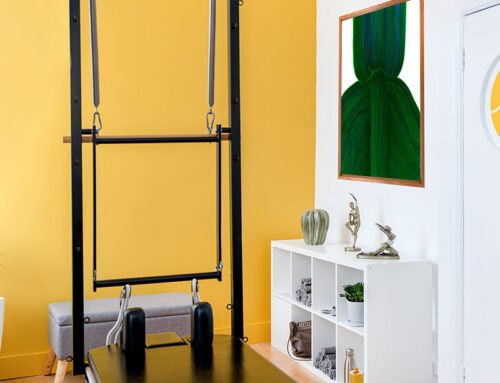
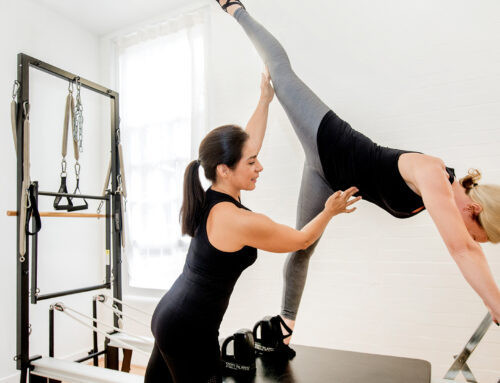
The Pilates reformer is particularly valuable for people with back problems. The machine provides support that makes exercises accessible even when standing or mat work would be painful, spring resistance that can make movements easier or harder depending on your needs, and positions that allow you to work your core without loading your spine excessively.
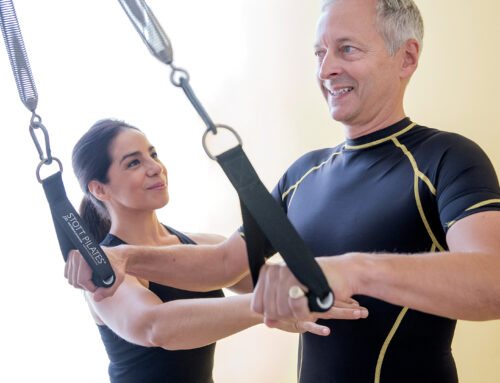
At InnerCore, we’ve worked with clients experiencing everything from general low back ache to herniated discs to post-surgical rehabilitation. The private 1to1 format ensures every exercise respects your current condition while progressively building the strength and stability you need.
Building the Deep Stabilizers
Your deep core muscles—particularly your transverse abdominis and multifidus—are crucial for spinal protection. When these muscles aren’t functioning properly, your back becomes vulnerable to strain and injury.
Traditional ab exercises like crunches don’t effectively target these deep stabilizers. In fact, they can sometimes worsen back pain by creating excessive spinal flexion. The exercises we use in the STOTT PILATES® method specifically target deep stabilization while maintaining proper spinal alignment.
Addressing the Whole Kinetic Chain
Your back doesn’t exist in isolation. Pain in your lower back might stem from tight hamstrings, weak glutes, poor hip mobility, or dysfunctional breathing patterns. Effective back rehabilitation must address the entire body, not just the painful area.
Every session considers how your hips, pelvis, ribcage, and shoulders interact. We identify compensation patterns and systematically correct them, creating lasting change rather than temporary relief.
When to Start Pilates for Back Pain
If you’re currently experiencing back pain, consult your healthcare provider before beginning any exercise program. Once cleared, Pilates can be remarkably effective for rehabilitation—often more so than passive treatments alone.
If you’re not currently in pain, this is actually the perfect time to start. Building strong, stable movement patterns prevents many back problems from ever developing. Prevention is far easier—and less painful—than rehabilitation.
At InnerCore, we work with clients at every stage: those recovering from acute injury, those managing chronic pain, and those being proactive about prevention. Your first session is free, providing an opportunity to discuss your specific back health and understand how our approach can help you move comfortably and confidently for years to come.