Reaching 50 is a milestone that brings perspective, confidence, and often, awareness of your body in new ways. Perhaps movements that were once effortless now require more thought. Maybe you’re noticing stiffness in the morning that takes longer to ease. Or you’ve watched parents or friends lose independence due to falls or mobility issues and are determined to maintain your capability as you age.
The narrative around ageing and fitness is shifting. Rather than inevitable decline, we now understand that how you move and strengthen your body throughout your 50s, 60s, and beyond largely determines your quality of life in later years. Pilates offers one of the most effective approaches to this proactive ageing process.
What Changes After 50
Let’s be honest about the physical changes that occur. You lose muscle mass more rapidly (sarcopenia), bone density decreases (particularly for women post-menopause), balance and proprioception decline, flexibility reduces if not actively maintained, and recovery from exercise takes longer.
These changes are real, but they’re not a prison sentence. The rate and extent of these changes depend heavily on how you respond to them. Sedentary behaviour accelerates decline. Intelligent, consistent movement slows it remarkably.
Why Traditional Exercise Can Be Problematic
High-impact activities like running can be hard on joints that have accumulated decades of wear. Heavy weightlifting requires technique that many people haven’t developed and creates injury risk if done incorrectly. Group fitness classes often move too quickly to allow for proper form, particularly for those new to exercise.
What people over 50 need is something that builds strength without excessive joint stress, improves balance and coordination to prevent falls, enhances flexibility and mobility for daily activities, and can be adapted to individual limitations and health conditions.
Reformer Pilates at InnerCore checks every one of these boxes.
The Reformer Advantage for Mature Adults
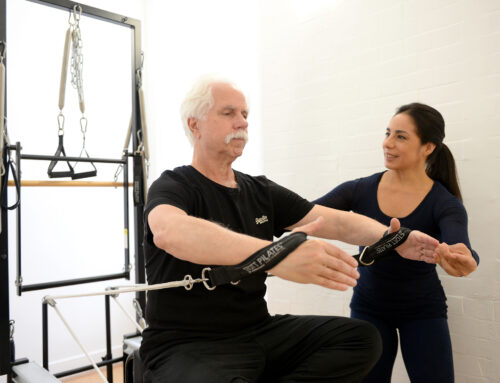
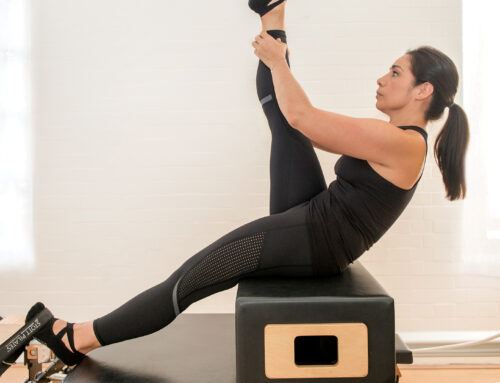
The Pilates reformer is particularly suited to clients over 50. The springs provide assistance and resistance simultaneously—you can make movements easier or harder depending on need. The lying, seated, and kneeling positions remove balance challenges while you’re building strength. The smooth, controlled movements protect joints while still creating effective strengthening.
In our Chelsea studio, we work with numerous clients in their 50s, 60s, 70s, and even 80s. The common thread isn’t their age—it’s their commitment to maintaining their independence and quality of life through intelligent movement.
Balance and Fall Prevention
Falls are the leading cause of injury-related death in adults over 65, and the fear of falling often leads to reduced activity, which ironically increases fall risk further. This vicious cycle can be broken through exercises that specifically address balance, proprioception, and lower body strength.
Pilates sessions incorporate balance challenges progressively—starting with supported positions and gradually introducing more unstable surfaces and positions. You’re training the exact neuromuscular responses needed to catch yourself if you stumble, all in a safe, controlled environment.
Bone Health Through Loading
Weight-bearing exercise is essential for maintaining bone density, particularly for women post-menopause. The resistance provided by the reformer’s springs creates the mechanical load that signals your bones to maintain density. Unlike high-impact activities, this loading occurs through controlled ranges of motion that protect joints while still challenging bones.
For clients with osteopenia or osteoporosis, we modify exercises to avoid spinal flexion and other positions that could create compression fracture risk, while still providing the stimulus your bones need.
Maintaining Independence in Daily Activities
The true measure of fitness after 50 isn’t how much you can lift or how far you can run—it’s whether you can do what you want to do. Can you get down on the floor and back up again? Can you reach overhead to put things away? Can you carry your shopping without back pain?
These functional movements are exactly what we train in Pilates. The transitions between positions on the reformer mirror real-world movements. The reaching, twisting, and bending patterns reflect daily demands. You’re not just getting stronger—you’re maintaining the movement vocabulary that keeps you independent.
Working With, Not Against, Your Body
At InnerCore, we understand that bodies over 50 often come with histories—previous injuries, surgeries, chronic conditions. Rather than seeing these as obstacles, we work with your individual situation to create programmes that respect your limitations while still challenging your capabilities.
Perhaps you have a knee replacement and can’t kneel comfortably. We adapt. Maybe you have lower back issues that limit certain movements. We modify. The beauty of private 1to1 sessions is that every exercise choice considers your specific needs.
The Social and Mental Benefits
While the physical benefits are clear, many of our mature clients value the mental aspects equally. The hour you spend moving mindfully, breathing deeply, and concentrating on your body creates a meditative state that reduces stress and improves mental wellbeing.
Additionally, the relationship with your instructor provides social connection and accountability—both important factors in healthy ageing. You’re not just attending a class; you’re part of a community that values longevity and quality of life.
Starting at Any Age
Whether you’re 50 or 80, whether you’ve been active your whole life or are returning to exercise after years away, Pilates can be adapted to meet you where you are. We’ve worked with clients who arrived using walking aids and, through consistent practice, regained confidence and capability they thought was lost.
Your first session at InnerCore includes a thorough discussion of your health history and current capabilities. From there, we design a programme that challenges you appropriately while building progressively toward your goals. It’s never too late to invest in your mobility, strength, and independence. The best time to start was yesterday. The second-best time is today.