For dancers, injury isn’t just physically painful, it’s emotionally devastating. Your body is your instrument, and when it’s not working properly, you’re cut off from what you love most. Whether you’re dealing with an acute injury or managing chronic pain from years of dancing, the rehabilitation process can feel frustrating and isolating.
Pilates offers a path forward, a way to maintain your fitness, address the root causes of your injury, and return to dancing stronger than before.
Why Dancers Get Injured
Dance injuries rarely come out of nowhere. While acute injuries like rolled ankles or torn muscles can happen suddenly, they’re often the final event in a longer story of compensation, imbalance, and overuse.
Common factors contributing to dance injuries include muscular imbalances from repetitive movements, hypermobility without adequate strength to support it, technical flaws that create stress on joints, inadequate rest and recovery, and pushing through pain rather than addressing its source.
Understanding what led to your injury is essential for true rehabilitation, not just fixing the immediate problem, but addressing the underlying patterns that created it.
The Problem with Traditional Rehab
Standard physical therapy for dance injuries often focuses narrowly on the injured area. You might receive exercises for your ankle, knee, or shoulder without addressing how the rest of your body contributed to the problem.
Dancers need a more holistic approach. Your ankle injury might have occurred because your hip stability was compromised. Your shoulder pain might stem from improper core engagement. Your knee problem might be related to how you’re controlling your turnout.
Pilates addresses the body as an integrated system, identifying and correcting the compensation patterns that led to injury in the first place.
The Reformer’s Role in Rehabilitation
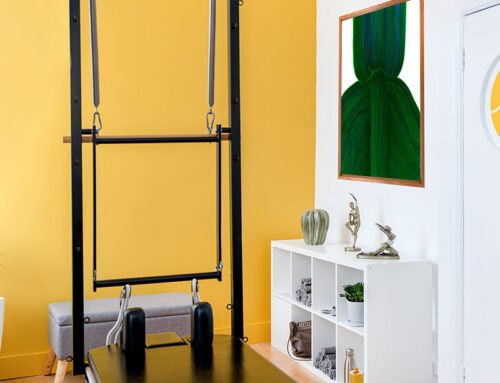
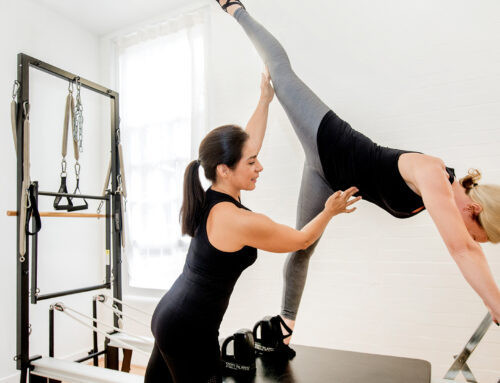
The Pilates reformer is an exceptional rehabilitation tool for dancers. It allows you to maintain fitness while protecting the injured area, work through limited ranges of motion safely, and progressively increase load as healing occurs. It provides support that makes exercises accessible even when standing work isn’t yet appropriate, and gives immediate feedback about compensation patterns.
At InnerCore in Chelsea, we’ve successfully worked with dancers recovering from ankle and foot injuries, knee problems including meniscus tears and patellar tracking issues, hip impingement and labral tears, lower back pain and disc issues, and various shoulder injuries.
Common Dance Injuries and Pilates Solutions
Ankle Injuries: Dancers with ankle sprains or chronic instability need to rebuild proprioception and strength through full range of motion. The reformer allows you to work your ankle in all directions with controlled resistance, retraining the neuromuscular control that prevents re-injury.
Knee Pain: Whether you’re dealing with patellar tracking issues, meniscus problems, or general knee pain, addressing hip and core strength is essential. Weak glutes and poor pelvic control create forces that stress the knee. Pilates strengthens these supporting structures while teaching proper movement patterns.
Hip Injuries: Hip impingement, labral tears, and general hip pain are common in dancers who repeatedly work at extreme ranges of hip flexion and rotation. Pilates helps by strengthening hip stabilisers, improving core control to support the pelvis, and retraining turnout to come from the correct muscles rather than forcing it at the knee or ankle.
Back Pain: Lower back pain in dancers often stems from poor core stability, excessive arching to achieve certain lines, or weak glutes leading to overuse of back muscles. The deep core work in Pilates directly addresses these issues, teaching your body to protect your spine during movement.
The Mental Challenge of Injury
Being injured as a dancer affects your identity and mental health. You’re not just unable to do a physical activity, you’re cut off from your primary form of expression, your community, and potentially your career.
The Pilates sessions at our studio provide more than physical rehabilitation. They offer a place where you’re still moving, still working your body, and still progressing toward a goal. The focused, breath-centred nature of the practice also helps manage the anxiety and frustration that often accompany injury.
Many dancers describe their injury recovery period as transformative, a time when they developed deeper body awareness and addressed long-standing technical issues that they’d been compensating for throughout their training.
Prevention Through Awareness
The body awareness you develop during injury rehabilitation through Pilates becomes your greatest tool for preventing future injuries. You learn to notice when you’re compensating, recognise when you’re working outside proper alignment, and understand when technical demands are exceeding your current capacity.
This awareness allows you to make intelligent decisions about when to push and when to back off, skills that serve you throughout your dancing career.
Returning to Dance
The transition from rehabilitation back to full dancing requires careful management. Pilates provides an ideal bridge during this period. You can progressively increase the intensity and complexity of movement in a controlled environment before facing the unpredictable demands of choreography.
Your instructor at InnerCore will work with you to design a programme that gradually reintroduces dance-specific movements while maintaining the proper patterns you’ve developed during rehab. This careful progression reduces the risk of re-injury that often occurs when dancers return too quickly or without adequate preparation.
Beyond Injury: Pilates for Performance
Many dancers who initially come to Pilates for injury rehabilitation discover that it enhances their dancing even after they’ve fully recovered. The core control, balanced strength, and movement quality they develop translate directly to better technique and performance.
What starts as injury treatment becomes an essential part of ongoing training, not just corrective, but enhancing.
Your Recovery Starts Here
If you’re a dancer in London dealing with injury, InnerCore offers the expert guidance and individualised attention you need for true rehabilitation. Our instructors understand dance demands and can design programmes that address both your immediate injury and the underlying patterns that contributed to it.
Your first session is free, allowing you to meet your instructor, understand our approach, and begin the journey back to dancing stronger and more sustainably than before.
Injury is part of a dancer’s life, but it doesn’t have to end your dancing. With the right rehabilitation approach, you can return better than you were, more aware, more balanced, and more resilient.