Pregnancy and early motherhood bring extraordinary changes to your body. While this period is often celebrated for the miracle of new life, the physical realities can be challenging, even overwhelming. Your body is asked to adapt in dramatic ways, often leaving you with aches, instability, and a disconnect from how your body used to feel.
Pilates offers something invaluable during this transformative time: a way to support your body through these changes with exercises that are both safe and effective.
The Changes Nobody Warns You About
Beyond the obvious growing belly, pregnancy affects nearly every system in your body. Your centre of gravity shifts, your ligaments become more lax due to hormones, your core muscles stretch and separate, and your pelvic floor bears increasing weight and pressure.
After birth, these changes don’t simply reverse. Your abdominal muscles may remain separated (diastasis recti), your pelvic floor needs rehabilitation, your posture has adapted to carrying a baby in front and then carrying a baby in your arms, and you’re likely experiencing sleep deprivation that affects recovery.
Meanwhile, you’re told to “get your body back”, as if your body has gone somewhere, as if it hasn’t just done something remarkable.
Why Generic Exercise Programmes Fall Short
Many postnatal exercise programmes focus on high-intensity workouts and returning to pre-pregnancy weight. But jumping back into intense exercise before your core and pelvic floor have properly recovered can cause lasting problems. You might experience pelvic organ prolapse, urinary incontinence, persistent diastasis recti, or back pain from poor core function.
What your body actually needs during and after pregnancy is intelligent movement that addresses the specific changes you’ve experienced. This is precisely what Pilates provides.
Prenatal Pilates: Supporting Your Changing Body
At InnerCore, our instructors have extensive experience working with pregnant clients, understanding what’s safe and beneficial at each stage. During pregnancy, Pilates can help you maintain core strength appropriately (not all core exercises are suitable during pregnancy), support proper posture as your centre of gravity changes, prepare your pelvic floor for birth, reduce common pregnancy discomforts like back pain, and maintain connection with your body during this transformative time.
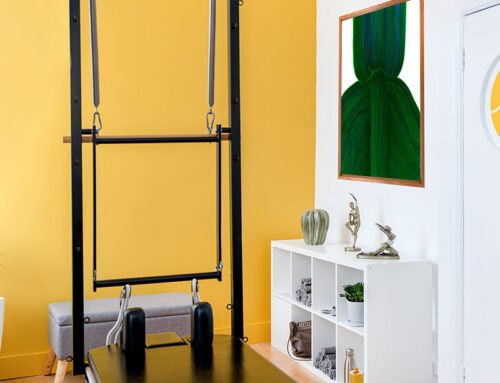
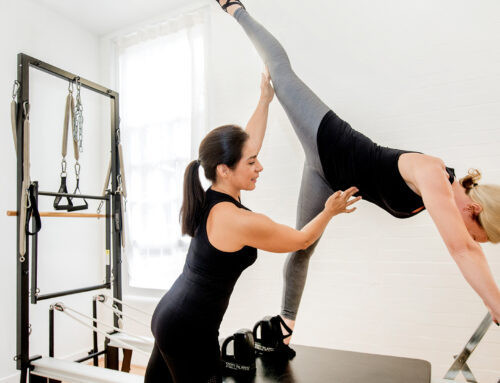
The reformer is particularly valuable during pregnancy because it provides support and stability that makes exercises accessible even as your body changes. In our private 1to1 sessions, every exercise is modified for your current stage and how you’re feeling that day.
One of our instructors, Maria, experienced this herself during her own pregnancy. She found that Pilates strengthened and shaped her body, making her pregnancy journey easier, including the birth itself. This personal experience informs how she works with prenatal clients, understanding firsthand what these changes feel like.
Postnatal Recovery: Rebuilding from the Inside Out
After birth, the “from the inside out” philosophy becomes even more crucial. Before returning to any exercise programme, you need to address foundational issues like pelvic floor function, diastasis recti (abdominal separation), and rebuilding deep core stability.
Postnatal Pilates focuses on gentle pelvic floor rehabilitation, safe core reconnection that respects any separation, postural correction for the demands of baby care, and gradual progression as your body heals. We don’t rush you back to advanced exercises before your foundation is solid.
The private format means you can discuss sensitive issues like pelvic floor concerns, ask questions about your recovery, and work at the pace your body needs rather than keeping up with a class.
Beyond Physical Recovery
Motherhood is physically demanding, but it’s also emotionally and mentally intense. The hour you spend in a Pilates session isn’t just about exercise, it’s time that’s entirely yours. It’s an opportunity to reconnect with your body as yours, not just as a vessel for feeding or carrying your baby.
Many of our postnatal clients describe their sessions as essential mental health support as much as physical rehabilitation. The breathing, body awareness, and moving meditation aspects of Pilates provide respite from the demands of early motherhood.
When to Start
Every body is different, but generally, you can begin gentle Pilates around six weeks postpartum for vaginal births, or 8-12 weeks for caesarean births, always with clearance from your healthcare provider. Some pelvic floor and breathing exercises can begin even earlier.
At InnerCore in Chelsea, we meet you wherever you are in your journey. Whether you’re in your first trimester and want to stay active safely, in your third trimester and dealing with discomfort, or months postpartum and ready to rebuild strength, we create a programme tailored to your current needs.
Investment in Your Long-Term Health
The work you do now affects how your body functions for decades to come. Properly rehabilitating your core and pelvic floor isn’t vanity, it’s investing in your continence, your back health, your pelvic health, and your ability to stay active as you age.
Motherhood asks everything of your body. Pilates is a way of giving something back, supporting yourself through this extraordinary transformation with the expert guidance and individual attention you deserve.